
This post is brought to you by the Carabin Shaw Law Firm! Carabin Shaw is one of the leading personal injury law firms in Texas. They have extensive experience in accident cases, focusing on securing compensation for clients’ medical bills, property damage, and pain and suffering.
Bellaire Boulevard Car Accidents: Multi-Lane Urban Street With High Pedestrian Crash Rates
Bellaire Boulevard car accidents devastate Houston families along this major east-west corridor cutting through the heart of southwest Houston’s diverse neighborhoods, where the wide multi-lane street carries heavy traffic through densely populated residential and commercial areas yet features minimal pedestrian infrastructure despite serving communities with high rates of walking and public transit use. Our Houston car accident lawyers handle cases where Bellaire Boulevard’s design prioritizes vehicle throughput over pedestrian safety, creating dangerous conditions as people attempt to cross six or seven lanes of traffic moving at 45-50 mph with inadequate crosswalks, poorly-timed signals, and drivers who don’t expect or watch for pedestrians on a roadway that functions more like a highway than a neighborhood street. The car accident lawyers in Houston at our firm who investigate Bellaire Boulevard crashes discover that pedestrian victims often represent vulnerable populations—elderly residents of nearby apartment complexes walking to shops and medical appointments, children crossing to reach schools and parks, and immigrant families who rely on walking and public transit rather than personal vehicles, all navigating a street designed without consideration for their safety. Our Carabin Shaw car accident lawyers Houston understand that Bellaire Boulevard exemplifies environmental injustice in urban transportation, where predominantly minority and lower-income neighborhoods receive dangerous street designs that wealthier areas would never tolerate, resulting in pedestrian death rates far exceeding Houston averages while city officials delay safety improvements year after year despite community advocacy. More information on our Houston car accident Lawyers here: https://www.carabinshaw.com/houston-car-accident-lawyers.html
According to Texas Department of Transportation crash data, Bellaire Boulevard between Loop 610 and Beltway 8 recorded approximately 2,100 crashes between 2020 and 2024, resulting in 24 fatalities and 118 serious injuries along the approximately 8-mile corridor. These statistics reflect more than one crash daily on Bellaire Boulevard, with fatal accidents occurring every 10 weeks. Our Houston car accident lawyers recognize the disturbing pedestrian crash patterns—pedestrians account for 42% of all Bellaire Boulevard fatalities despite representing less than 5% of road users, demonstrating the extreme dangers pedestrians face when attempting to cross this hostile environment. According to National Highway Traffic Safety Administration data analyzing pedestrian crash characteristics, multi-lane arterials like Bellaire Boulevard experience pedestrian fatality rates 3-5 times higher than two-lane streets due to increased crossing distances, multiple threat lanes where drivers don’t see pedestrians crossing from far lanes, and higher vehicle speeds that reduce driver reaction times and increase crash severity.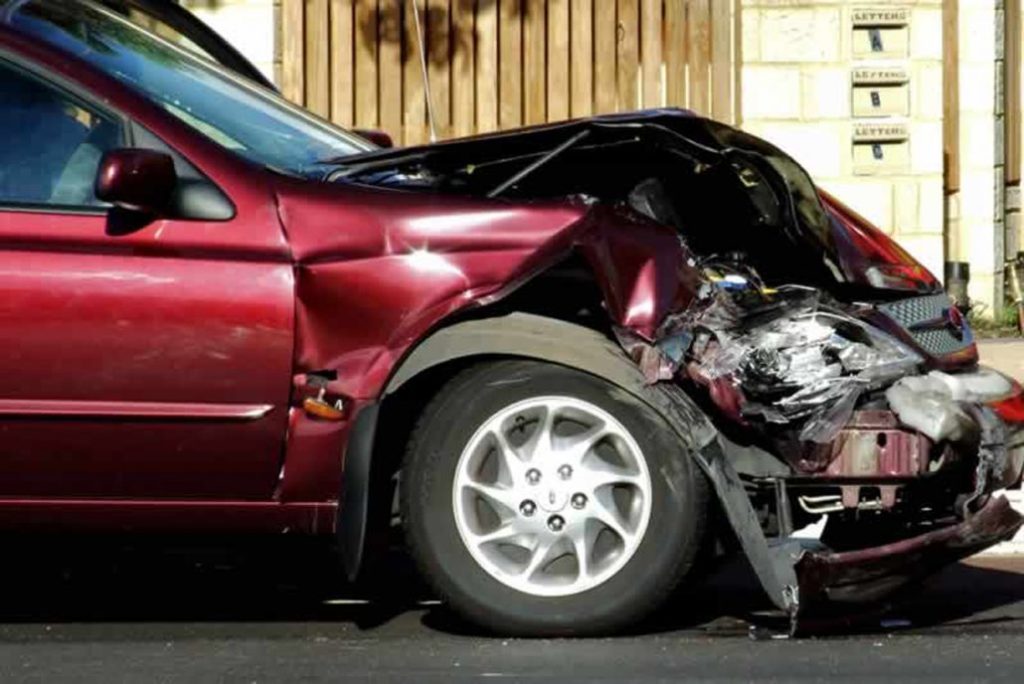
Bellaire Boulevard developed as Houston expanded southward during the mid-20th century, with the street serving as a major connector between Loop 610 and southwestern suburbs. The roadway widened repeatedly over decades to accommodate growing traffic volumes, yet these expansions focused exclusively on vehicle capacity without corresponding investments in pedestrian infrastructure or transit amenities despite demographic shifts that brought diverse immigrant communities with different transportation patterns than automobile-dependent suburban residents. Our car accident lawyers in Houston see how Bellaire Boulevard’s history created modern dangers: what began as a suburban thoroughfare through sparsely-populated areas became an urban street through densely-populated neighborhoods, yet the wide, high-speed design remained unchanged even as land uses transformed and pedestrian activity increased dramatically. The concentration of Asian restaurants, shopping centers, medical offices, and apartment complexes along Bellaire creates constant pedestrian demand, yet the street features long blocks with crosswalks only at major intersections spaced half-mile or more apart, forcing people to either walk far out of their way to reach legal crossing points or take their chances crossing mid-block through fast-moving traffic.
The Pedestrian Death Corridor
The section of Bellaire Boulevard between Hillcroft and Fondren has earned grim recognition as one of Houston’s most dangerous pedestrian corridors. This approximately 2-mile stretch saw 8 pedestrian fatalities between 2020 and 2024 according to city safety data—more pedestrian deaths than many entire Houston neighborhoods experience. The concentration reflects the area’s demographics, commercial activity, and infrastructure failures combining to create deadly conditions.
The Multiple Threat Phenomenon
Bellaire Boulevard’s six or seven lanes create “multiple threat” scenarios where vehicles in lanes nearest pedestrians stop to allow crossing, but vehicles in farther lanes don’t see the pedestrian and continue at full speed. According to the Federal Highway Administration, multiple-threat crashes account for over 30% of pedestrian fatalities on multi-lane roadways. Pedestrians crossing Bellaire step from behind stopped vehicles directly into paths of vehicles in adjacent lanes traveling 45+ mph.
Long Crossing Distances and Trapped Pedestrians
Crossing Bellaire Boulevard’s full width requires pedestrians to traverse 80-100 feet of roadway—distances that take 15-20 seconds even for able-bodied adults walking quickly. Traffic signal timing doesn’t account for these crossing times, causing pedestrians to become stranded in medians or center turn lanes when signals change before they complete crossings. Vehicles entering intersections on green lights strike pedestrians still crossing from previous cycles.
The Gessner Road Intersection: High-Crash Zone
Where Bellaire Boulevard intersects Gessner Road near major apartment complexes and shopping centers, crash rates exceed corridor averages. This intersection handles over 50,000 vehicles daily while serving as a primary crossing point for pedestrians walking between residential areas north of Bellaire and commercial areas to the south. The intersection’s size and complexity create confusion about right-of-way, appropriate gap acceptance for left turns, and pedestrian signal timing.
Left-Turn Collision Patterns
Drivers turning left from Gessner onto Bellaire or vice versa must cross multiple lanes of traffic while also watching for pedestrians in crosswalks. The complexity overwhelms many drivers who focus on vehicle gaps while failing to notice pedestrians. Left-turning vehicles strike pedestrians with disturbing frequency at this intersection, particularly during evening hours when reduced lighting makes pedestrians less visible.
The Chinatown District Complications
The section of Bellaire Boulevard through Houston’s Chinatown district between Ranchester and Corporate Drive experiences unique crash patterns. This area features extremely dense commercial development with restaurants, markets, and shops generating heavy pedestrian traffic throughout day and evening hours. However, parking lots directly access Bellaire without benefit of frontage roads, creating constant conflicts as vehicles enter and exit.
The Parking Lot Exit Problem
Vehicles exiting shopping center parking lots onto Bellaire must cross sidewalks where pedestrians walk continuously, then merge into multi-lane traffic moving at high speeds. Drivers focused on vehicle gaps in Bellaire traffic don’t adequately watch for pedestrians crossing lot exits. These driveway conflicts result in pedestrians struck by vehicles exiting lots at low speeds that still cause serious injuries to vulnerable pedestrians.
Bus Stop Safety Failures
Metro bus stops line Bellaire Boulevard continuously, serving the corridor’s transit-dependent populations. However, many stops lack adequate pedestrian infrastructure—no marked crosswalks nearby, no signals to stop traffic, and no refuge islands in medians. Bus riders must cross Bellaire wherever buses stop, creating pedestrian crash scenarios throughout the corridor.
Elderly and Disabled Victim Demographics
Many Bellaire Boulevard pedestrian crash victims are elderly persons who cannot cross quickly or disabled individuals with mobility impairments. These vulnerable pedestrians require significantly more time to cross than traffic signal timing allows. Data shows that pedestrians over 65 account for 35% of Bellaire pedestrian fatalities despite representing less than 15% of area residents.
Nighttime Visibility Dangers
Bellaire Boulevard’s inadequate lighting creates extreme dangers after dark. Many sections feature no streetlights or only sporadic illumination, creating darkness where drivers cannot see pedestrians wearing dark clothing until vehicles are too close to stop. Evening and overnight hours account for 65% of Bellaire pedestrian fatalities despite representing minority of pedestrian activity hours.
Unlit Crosswalks
Even marked crosswalks often lack dedicated lighting, meaning pedestrians crossing at designated locations remain nearly invisible to approaching drivers at night. Enhanced lighting at crosswalks represents proven safety countermeasure, yet Bellaire Boulevard crosswalks remain dangerously dark.
High-Speed Through Traffic
Despite Bellaire Boulevard’s urban character and heavy pedestrian use, many drivers treat it as high-speed throughway. Posted speed limits of 40 mph in some sections get routinely exceeded by drivers traveling 50-55 mph. At these speeds, pedestrian crashes prove almost universally fatal—vehicle impacts at 50 mph result in 90% pedestrian fatality rates according to safety research.
Your Rights After Bellaire Boulevard Crashes
If you or a loved one suffered injuries in a Bellaire Boulevard accident, whether as pedestrian, cyclist, or vehicle occupant, you deserve full compensation. Liability may involve negligent drivers, but also potentially the City of Houston for dangerous street design, inadequate lighting, or missing pedestrian infrastructure. Our Carabin Shaw Houston car accident lawyers fight for pedestrian victims and understand Bellaire Boulevard’s deadly conditions. Call 800-862-1260 today for a free consultation with our car accident lawyers in Houston.

Leave A Comment
You must be logged in to post a comment.